Understanding the Difference
Roof Repair focuses on:
- Fixing localized damage
-
Replacing small sections
-
Sealing leaks
Roof Replacement involves:
-
Removing existing roofing materials
-
Inspecting decking
-
Installing a new roofing system
When Roof Repair Is Usually Enough
Repairs are often effective when:
-
Damage is limited to a small area
-
Roof is under 12–15 years old
-
Structure beneath shingles is intact
-
Leaks are recent and isolated
In these cases, repair can extend roof life at a lower cost.
When Replacement Is the Better Choice
Replacement is commonly recommended when:
-
Roof exceeds expected lifespan
-
Damage is widespread
-
Multiple leaks exist
-
Shingles are deteriorating across large sections
-
Structural issues are present
In these situations, a professional repair can safely extend the life of your roof and keep costs low.
For newer roofs, repairs make sense
When Replacement Is Often the Smarter Long-Term Choice
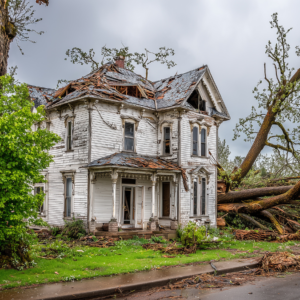
As roofs age, problems become less isolated and more widespread. At a certain point, repeated repairs stop being cost-effective.
Replacement is typically recommended when:
-
The roof is approaching
-
or past its expected lifespan (20–25 years for most asphalt shingles)
-
Multiple leaks appear in different areas
-
Shingles are brittle, curling, or losing granules
-
Storm damage affects large sections
-
Decking or structural issues are discovered
-
You’ve already made several repairs over the years
At this stage, patching small sections can feel like a temporary fix.
Many homeowners find they end up paying for the same labor multiple times instead of investing once in a long-term solution.
Cost Considerations
While replacement costs more upfront, it can:
-
Reduce future repair expenses
-
Improve energy efficiency
-
Increase home value
-
Provide long-term protection
A professional inspection helps homeowners make a financially sound decision.
Final Advice
Every roof is different.
The right choice depends on condition, age, and long-term goals, not guesswork.