
One of the most common questions homeowners ask is: “How long does my roof last?”
The answer depends on the roofing material, installation quality, exposure to weather, and maintenance.
In New Jersey, roofs experience four distinct seasons, which can shorten their lifespan compared to milder climates.
Average Roof Lifespan by Material
Based on manufacturer guidelines, insurance industry references, and construction standards:
-
Asphalt Shingles: 18–30 years
-
Architectural / Dimensional Shingles: 25–35 years
-
Wood Shake: 20–30 years
Most residential homes in New Jersey use asphalt shingles, which are designed to last about 25 years under normal conditions.
Factors That Affect Roof Longevity
Even high-quality roofing materials can fail early if certain conditions exist:
1. Weather Exposure
New Jersey roofs face:
-
snow loads
-
ice dams
-
heavy rain
-
summer heat
-
high winds
These cycles cause expansion and contraction that slowly wear materials.
2. Installation Quality
Improper nailing, poor ventilation, or incorrect flashing installation can reduce a roof’s life significantly.
3. Ventilation
Poor attic ventilation traps heat and moisture, which accelerates shingle aging and can damage roof decking.
4. Maintenance
Roofs that receive periodic inspections tend to last longer because small issues are repaired early.
Signs Your Roof May Be Near the End of Its Life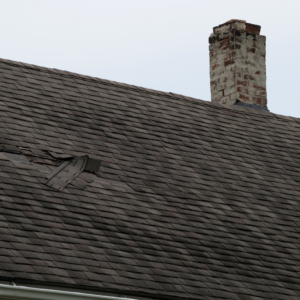
-
Shingles curling, cracking, or missing
-
Granules collecting in gutters
-
Water stains on ceilings or attic decking
-
Moss or algae growth
-
Repeated leak repairs
If your roof is over 20 years old, a professional inspection is recommended even if no leaks are visible.
Final Advice
A roof doesn’t fail overnight — most issues develop gradually.
Routine inspections can often extend the life of your roof and prevent unexpected damage.